How To
Avoid Pests
Safe Dead Animal Removal:
Hygiene & Health Guide
The smell of decay is unmistakable and dangerous. We explain how to locate the source, the health risks involved, and the correct disposal methods for Victoria.
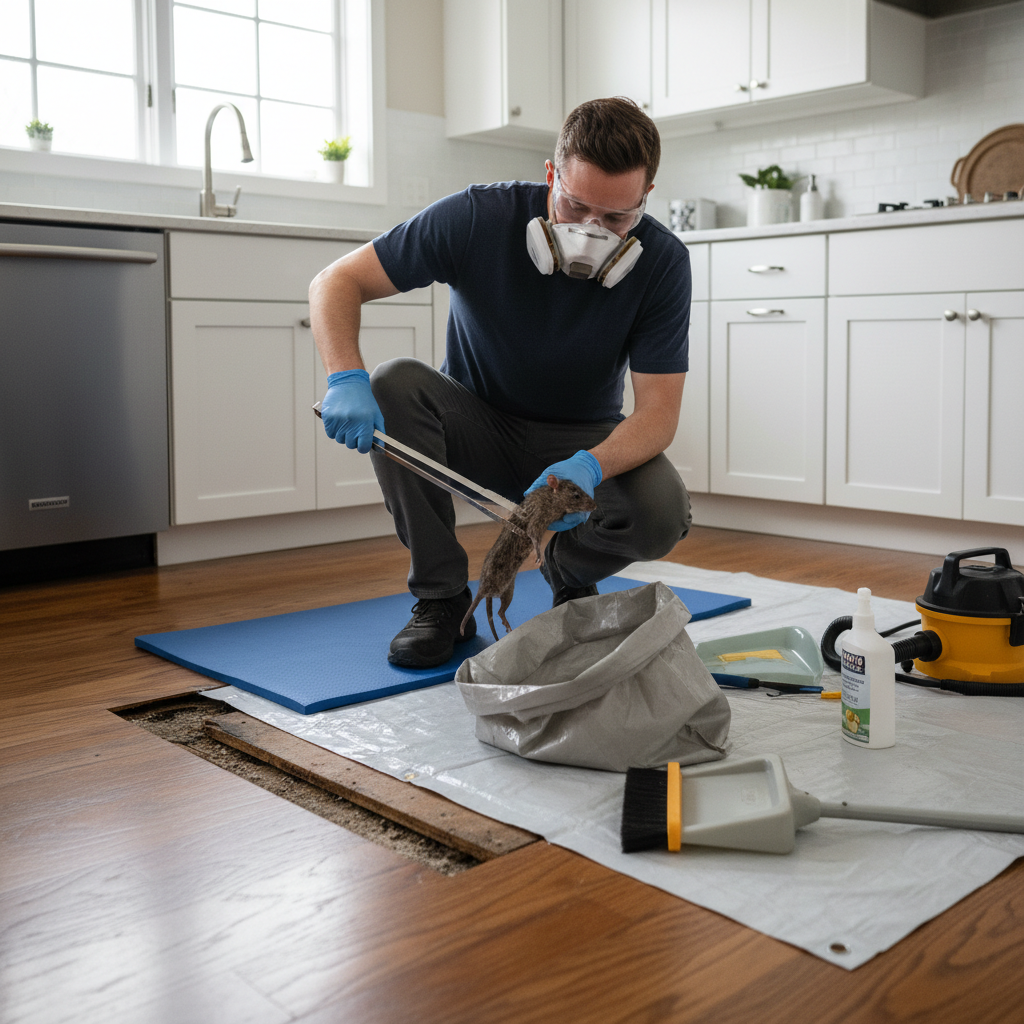
1. Why You Must Act Immediately
Leaving a deceased animal in your wall cavity, roof, or sub-floor is not just an odor issue; it is a significant health hazard. As the carcass breaks down, it releases pathogens and attracts secondary pests.
Primary Risks
- Leptospirosis: Bacterial infection spread through bodily fluids.
- Salmonella: Common in rodents and birds.
- Noxious Gases: Cadaverine and Putrescine release caused by protein breakdown.
Secondary Pests
- Blowflies: Will lay eggs within 24 hours.
- Maggots: Can migrate through light fittings.
- Dermestid Beetles: Feed on skin and fur.
Common Removal Requests in Victoria (2024 Data)
Based on metropolitan service call-outs during winter/spring transition.
2. The “Sniff Test”: Locating the Carcass
Locating the animal is often harder than removing it. Air currents in wall cavities can carry the smell far from the source.
- Follow the Flies: Large clusters of blowflies on a window or external brickwork often indicate the closest entry point.
- Ceiling Stains: As fluids leak, a damp spot may appear on the plaster. Do not paint over this; the gyprock often needs replacing.
- Sub-floor Inspection: Use a high-powered torch. Animals often crawl to the corners of the house to die.
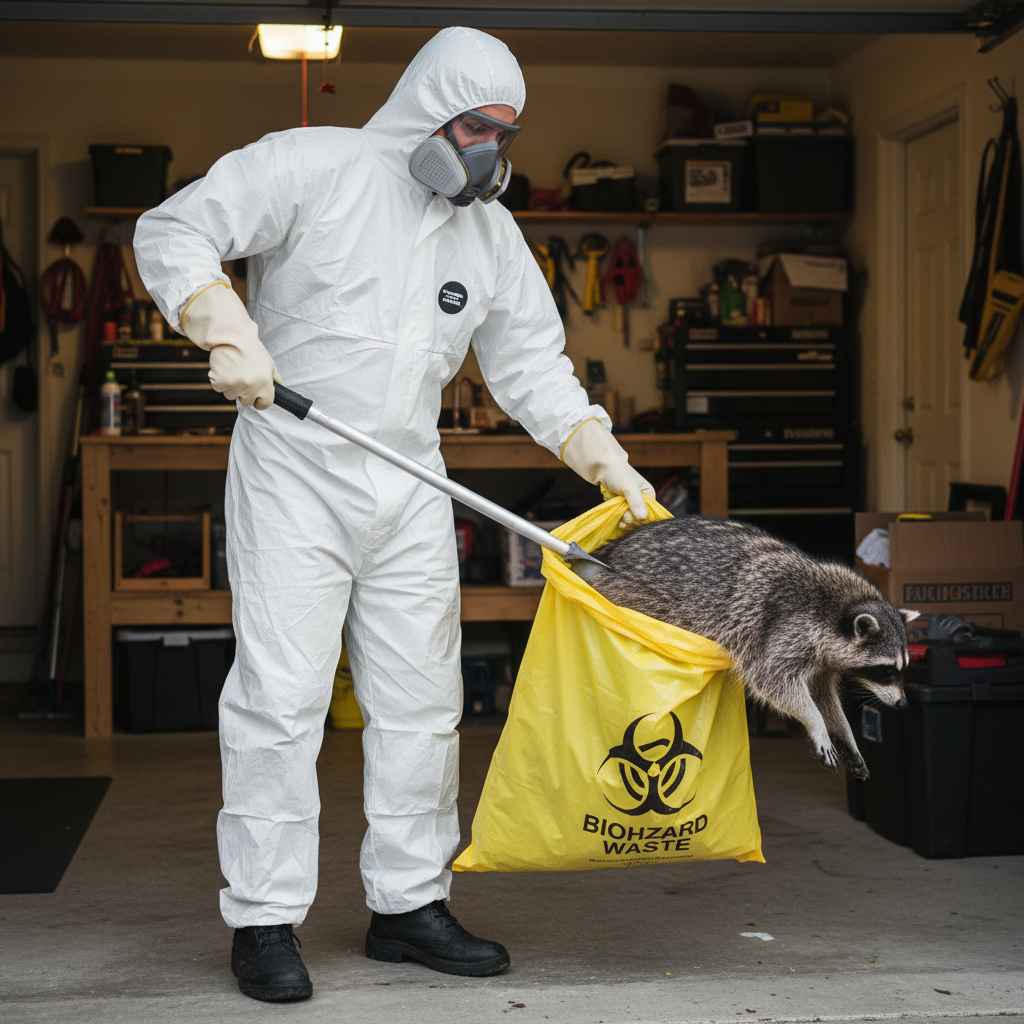
3. Safe Disposal Protocol
Step 1: Removal
Never touch with bare hands. Use heavy-duty industrial gloves and a mask (P2 or N95 rating) to avoid inhaling spores. Place the carcass in double-bagged heavy-duty plastic.
Step 2: Deodorize
Removing the body doesn’t remove the smell instantly. The area must be treated with an enzyme-based cleaner to break down the proteins soaked into timber or insulation.
Can’t Reach It?
If the animal is trapped inside a double-brick wall or deep in an inaccessible sub-floor, specialized equipment (like boroscopes and wall-cutters) is required to extract it without causing structural damage.
For residents in the West End area facing difficult extraction scenarios, we recommend contacting Professional Dead Animal Removal West End. They specialize in minimal-intrusion extraction and full sanitization.
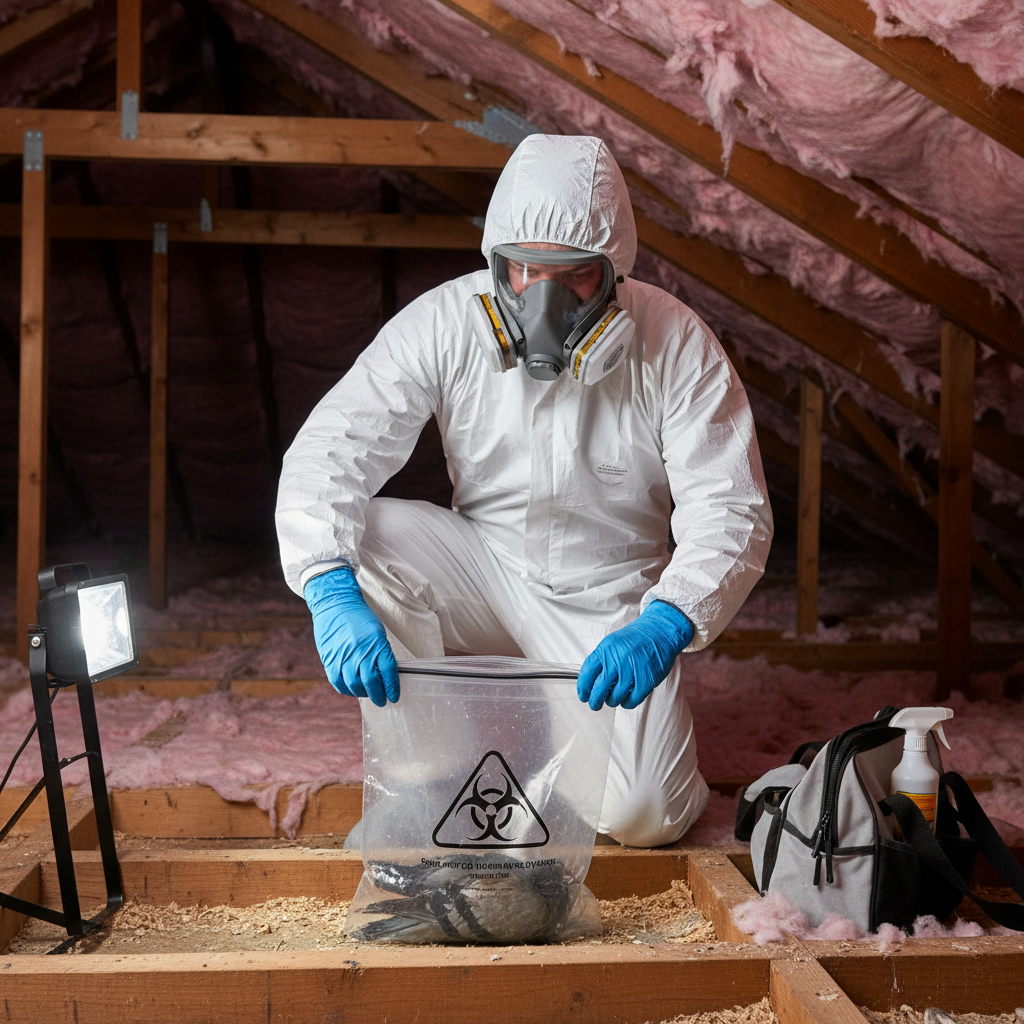
Restore Fresh Air
The lingering smell of decay can impact your quality of life for weeks if not treated. Prompt identification and professional removal is the only way to ensure your home remains healthy and hygienic.